The AI War Is No Longer Just About Brains, It Is About the Body Too
- 10 hours ago
- 3 min read
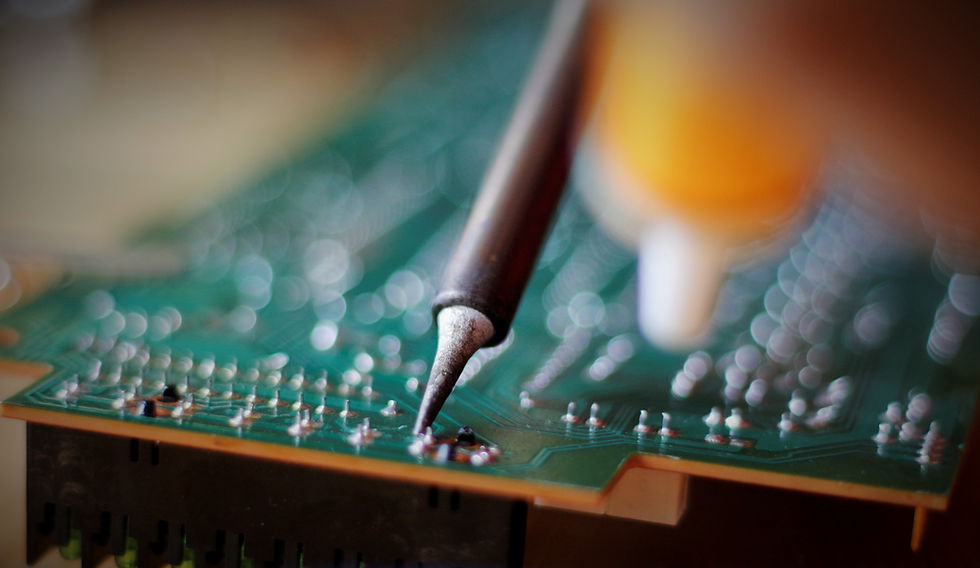
For a while, the story of artificial intelligence felt like a competition of minds. Companies raced to build smarter models, more human responses, and increasingly powerful systems that could write, code, and create. It was easy to think of AI as something abstract, something that lived in software alone. That illusion is starting to fade.
A quieter but equally important shift is happening beneath the surface. The real battle is no longer just about algorithms. It is about the machines that make those algorithms possible. Companies like Arm Holdings and Meta are now pushing into a new phase of competition, one that focuses on the very foundations of AI infrastructure.
For years, GPUs dominated the conversation around AI. They became the engines powering everything from chatbots to image generation. Their importance made them scarce, expensive, and highly sought after. Now, that dominance is being challenged. Arm is exploring how CPUs, traditionally seen as less specialised, can be adapted to handle AI workloads more efficiently. At the same time, Meta is working closely with such partners to rethink how entire systems are designed, from chips to software integration.
There is something deeply fascinating about this shift. It feels like watching the invisible parts of technology suddenly become visible. Most people never think about what powers their AI tools. They only see the results. Yet behind every response lies a vast network of hardware, energy, and engineering decisions. Realising that this hidden layer is now the centre of competition changes how we understand the AI race entirely.
Emotionally, this moment carries a mix of excitement and unease. There is excitement in the idea that innovation is expanding beyond software. New approaches to hardware could make AI faster, more efficient, and more accessible. It opens the possibility that AI will not just improve in capability, but also in how sustainably and widely it can be deployed.
At the same time, there is a sense of tension. When the focus shifts to infrastructure, the stakes become higher. Control over hardware means control over the entire ecosystem. It determines who can build, who can scale, and who gets left behind. This kind of concentration of power can feel unsettling, especially when a handful of companies shape the foundation of technologies used by billions.
The implications for society are complex. On the positive side, diversifying AI infrastructure could reduce reliance on a single type of chip and make systems more resilient. It could lower costs over time and allow more players to participate in AI development. This may lead to greater innovation and more competition, which often benefits users.
However, there are also concerns that are harder to ignore. Building and maintaining advanced hardware requires enormous resources, from raw materials to energy consumption. Expanding this infrastructure could intensify environmental pressures and deepen global inequalities between countries that can afford such investments and those that cannot. The more AI depends on physical systems, the more it ties technological progress to real world limitations.
There is also a philosophical shift taking place. AI is no longer just something we design. It is something we build in a very literal sense. The conversation moves from code to supply chains, from models to materials. It forces people to confront the reality that digital intelligence is grounded in physical systems that have real costs and consequences.
What makes this development so compelling is that it reshapes the narrative of competition. The question is no longer simply who has the smartest AI. It is who controls the entire stack, from the smallest chip to the largest platform. This is a more complex and more consequential battle, one that will likely define the future of technology.
In the end, this new phase of the AI race feels both inevitable and transformative. It reveals that intelligence alone is not enough. It needs a body, a structure, and a foundation to exist.
As companies like Arm and Meta push into this space, they are not just building better systems. They are redefining what it means to compete in the age of artificial intelligence.
And for everyone watching from the outside, it leaves behind a lingering thought. The future of AI will not just be decided by ideas, but by the invisible machines that bring those ideas to life.


Comments