When Algorithms Go Viral: Is “AI Slop” Content The Best Way To Become Rich
- Feb 6
- 3 min read
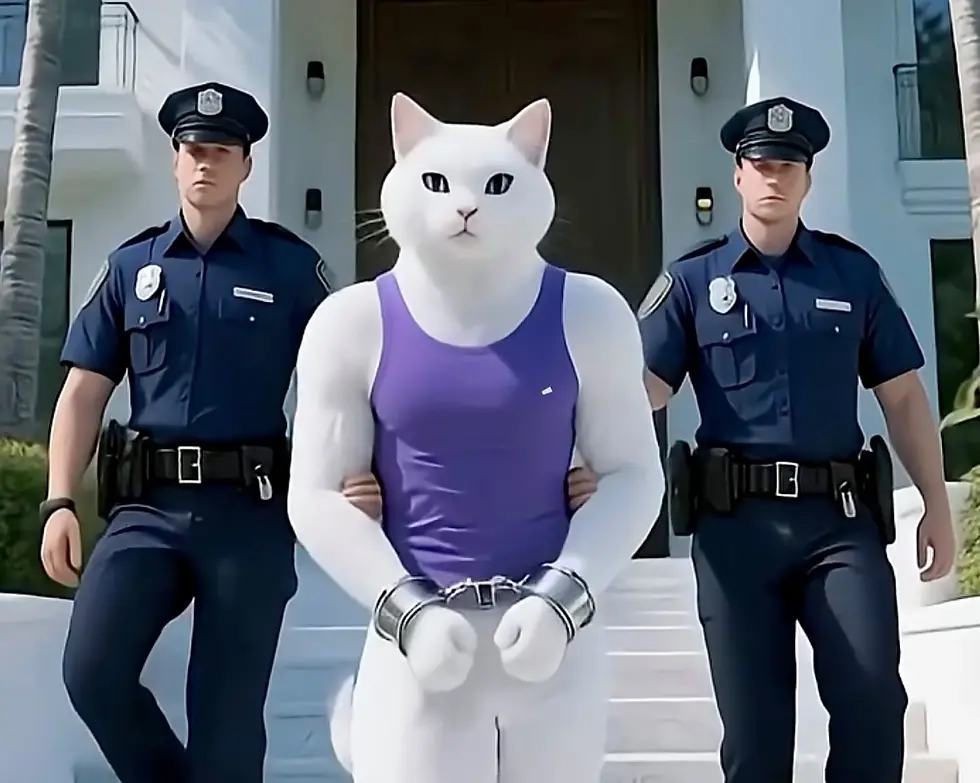
There’s a strange moment many of us have had recently while scrolling YouTube. You open the app with a fresh account, or after clearing your history, and within minutes you’re bombarded with oddly familiar videos. The titles are dramatic. The visuals are flashy. The voices sound robotic but confident. And yet, none of it really means anything. This phenomenon now has a name: AI slop.
Recent studies show that more than 20% of videos recommended to new YouTube users are low-quality, AI-generated content, often mass-produced with little creativity or care. Despite that, these videos are pulling in massive viewership and, in some cases, millions of dollars in estimated revenue. That statistic alone is enough to make you pause, and maybe sigh.
Watching AI slop doesn’t usually feel shocking or offensive. It feels… draining. The videos blur together. The stories are exaggerated or hollow. The facts are sometimes wrong, sometimes meaningless, and sometimes completely made up. But they’re optimised perfectly to keep you watching just a little longer.
That’s part of what makes this trend so unsettling. AI slop isn’t trying to inform or inspire you. It’s trying to occupy your attention, quietly and efficiently. And when you realise how much of your feed is filled with content made by machines for algorithms, not humans. It can feel like the internet has lost something important. There’s a sense of disappointment in that realisation. Maybe even betrayal.
AI slop thrives because it plays the game better than humans can. These videos are cheap to produce, endlessly repeatable, and tailored to whatever the algorithm currently favors. A single creator can upload dozens or hundreds of videos a day without ever touching a camera or writing a sentence themselves.
Platforms reward consistency and engagement, not depth. So AI slop rises to the top, while thoughtful, human-made content often struggles to compete. That imbalance leaves many creators feeling frustrated and invisible, wondering how their effort can ever stand out against an endless flood of automated content. And viewers? Viewers are left sorting through noise.
There’s something quietly sad about realising that a large part of what we watch every day wasn’t made to communicate with us, it was made to trigger us. AI slop often relies on shock, fear, or exaggerated emotion, not because it matters, but because it works.
Over time, this can dull curiosity and shorten attention spans. It can make people feel disconnected, overstimulated, and cynical. When everything starts to look fake or recycled, it becomes harder to care, and even harder to trust. Some people feel angry about it. Others feel numb. Many don’t even realise what’s happening, just that scrolling feels worse than it used to. The rise of AI slop isn’t just an internet annoyance. It’s shaping how society consumes information and culture.
When low-quality AI content dominates recommendation systems, it changes what people learn, what they believe, and what voices get heard. Misinformation spreads more easily. Nuanced discussions get buried. Creativity becomes harder to find.
It also raises uncomfortable questions about value. If AI-generated videos can make millions with little effort, what does that say about how we reward work, truth, and creativity? What happens to human storytelling when speed and volume matter more than meaning?
At a larger scale, AI slop risks turning the internet into a place where quantity replaces quality, and where trust erodes because no one is sure what’s real, original, or made with care.
AI slop is not going away anytime soon. The systems that reward it are deeply built into social platforms, and the money involved is too big to ignore. But that doesn’t mean society is powerless.
People are already becoming more aware. Creators are calling it out. Platforms are starting to respond. And viewers are learning to be more selective, more critical, and more intentional about what they watch and support.
There’s still a hunger for real voices, real stories, and real connection. That hasn’t disappeared. It’s just harder to find.
The challenge now is deciding what kind of internet we want to build going forward. One filled with endless AI noise, or one where technology supports human creativity instead of replacing it. Because at the end of the day, attention is power. And what we choose to give it to will shape the future of our feeds, and ourselves.
How does watching AI-generated content make you feel compared to watching content made by real people, and why do you think that difference matters?


LMAO i really enjoy those tiktoks tho…